
Pay attention to changes. Know your next step.
Skin checks and mole evaluations in Southwest Las Vegas
A spot that looks different, a mole that has changed, or questions about sun exposure can be reasons to seek a skin evaluation. Horizon Dermatology and Aesthetics is preparing to offer skin assessments in Southwest Las Vegas when we open, planned for March 2027.
Our future location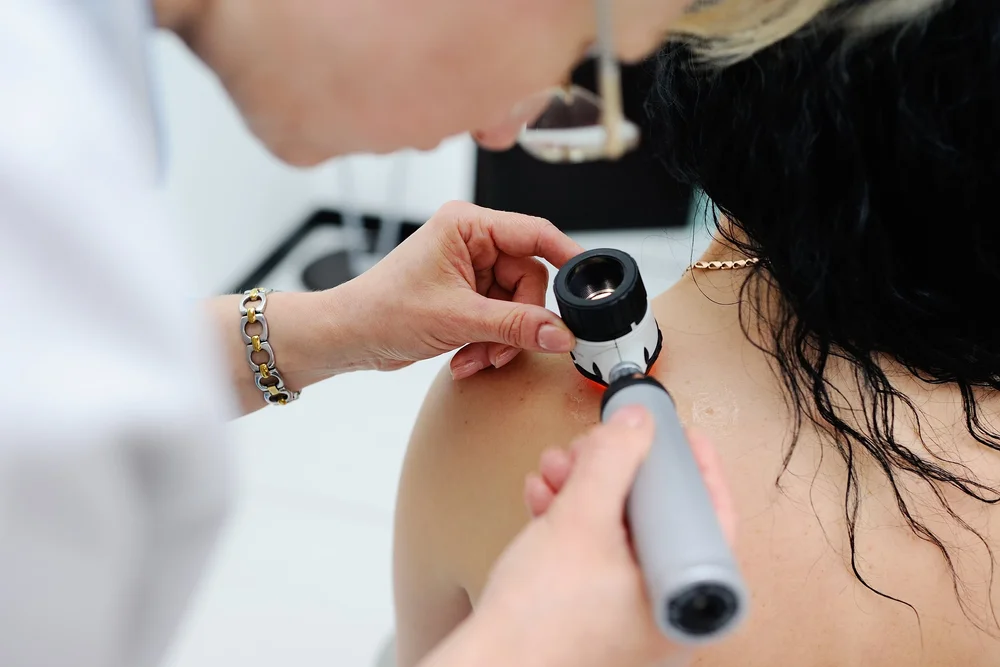
Bring attention to the spots that concern you
A skin examination can help assess moles, growths, and other changes. Our planned services include evaluation of skin cancer concerns and sun-related changes. The conversation will take account of your history, the reason for the visit, and findings from the examination.
A new or changing spot
Tell the clinician if a spot is new or has changed in size, shape, color, or symptoms. Photographs taken at different times may help explain a change.
A spot unlike your others
A mole or mark that stands out from the rest is worth mentioning. You do not need to decide whether it is serious before asking for an assessment.
A history of skin cancer
Share prior diagnoses, treatment history, and any relevant reports. Your personal history is part of the discussion about appropriate follow-up.
Questions about further evaluation
An examination may lead to monitoring, additional testing, or a treatment discussion. If a spot is suspicious for skin cancer, a biopsy may be needed to establish the diagnosis.
Explore surgical dermatologyPrepare for a skin evaluation
01
Make a short list
Note the spots or areas you want checked, when you first noticed them, and what has changed. Mention symptoms such as bleeding or persistent irritation.
02
Gather your history
Bring medication information and relevant records, including previous skin biopsy reports if available. Mention your own and your family’s history of skin cancer.
03
Ask about follow-up
Before leaving a future visit, ask what happens next, how any test results would be communicated, and when another assessment may be appropriate.
Questions before your visit
How often should I have my skin checked?
The appropriate schedule depends on your history and risk factors. Discuss an individual plan with your clinician rather than assuming the same interval suits everyone.
Does an examination alone diagnose skin cancer?
Not always. A suspicious area may need a biopsy and examination of the tissue to determine the diagnosis. Your clinician can explain why further testing is recommended.
Should I wait until March 2027?
If a spot is new, changing, bleeding, or otherwise concerning, seek assessment from a currently available clinician. Please do not delay care while Horizon prepares to open.
Further reading: American Academy of Dermatology: skin cancer information